
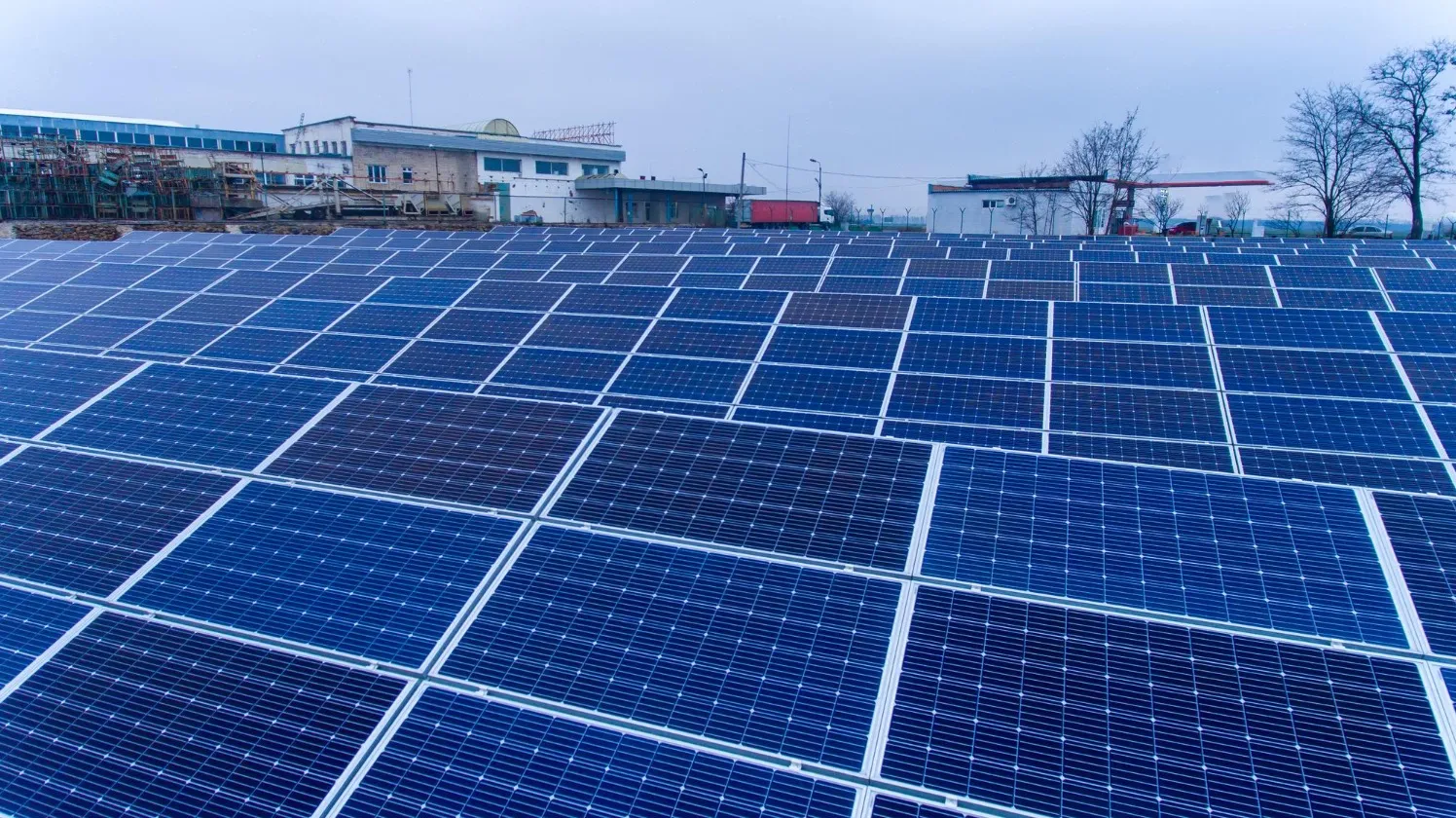
For industrial businesses, electricity is more than a utility expense—it is a critical part of daily operations. Manufacturing units, processing plants, warehouses, and factories depend on uninterrupted power to maintain productivity and control operating costs. An industrial solar system offers an effective way to generate clean electricity while reducing dependence on conventional power sources.
As industrial development continues across Nashik and other parts of Maharashtra, many businesses are evaluating solar energy as a long-term investment. Understanding what to consider before installation can help ensure the system delivers the expected performance.
Why Industries Are Turning to Solar Energy
Industrial facilities often have high daytime electricity consumption, making them well-suited for solar power generation. Since solar panels produce the most electricity during daylight hours, much of the generated energy can be consumed immediately.
Some common reasons industries adopt solar systems include:
- Lower electricity expenses
- Reduced dependence on the utility grid
- Better energy planning
- Efficient use of large rooftop spaces
- Support for sustainability initiatives
These advantages can contribute to improved operational efficiency over the long term.
Where Industrial Solar Systems Are Commonly Used
Industrial solar installations are suitable for a wide range of sectors, including:
- Manufacturing plants
- Food processing units
- Textile industries
- Engineering workshops
- Pharmaceutical facilities
- Cold storage warehouses
- Packaging industries
- Automobile component manufacturers
Each facility has unique energy requirements, so the system design should match operational needs.
Key Factors to Evaluate Before Installation
Selecting an industrial solar system involves more than choosing panel capacity. A comprehensive assessment helps determine the most suitable solution.
Important considerations include:
Energy Consumption
Review monthly electricity bills and identify peak demand periods.
Roof or Ground Space
Available installation area directly affects system capacity.
Structural Assessment
Industrial roofs should be evaluated to ensure they can safely support solar panels and mounting structures.
Future Expansion
Businesses planning production growth should consider systems that can be expanded later.
Equipment Quality
Choosing reliable panels, inverters, and protection devices contributes to long-term system performance.
Grid-Connected or Hybrid?
Industries generally choose between:
- Grid-connected systems for maximum daytime savings
- Hybrid systems with battery storage for backup power
- Customized solutions based on production requirements
The best option depends on operational priorities and the need for uninterrupted power.
Maintenance Requirements
Industrial solar systems require periodic maintenance to maintain efficiency.
Routine tasks include:
- Cleaning panels
- Inspecting electrical connections
- Monitoring inverter performance
- Checking mounting hardware
- Reviewing energy generation reports
Preventive maintenance helps identify issues early and supports consistent power generation.
Why Nashik Is Well Suited for Industrial Solar
Nashik's growing industrial sector and favorable sunlight conditions make solar energy a practical choice for factories and manufacturing facilities. Businesses operating throughout Maharashtra can benefit from renewable energy while making better use of available rooftop or open spaces.
Companies such as E-Solution Renewable help industrial customers assess site conditions, electricity consumption, and future energy requirements before recommending appropriate solar system configurations.
Making a Long-Term Energy Decision
An industrial solar system is a strategic investment rather than a short-term expense. Careful planning, proper equipment selection, and professional installation can help businesses improve energy efficiency while supporting sustainable operations.
As industries continue to seek cost-effective energy solutions, solar power remains one of the most practical options for long-term electricity management.
Keywords


