
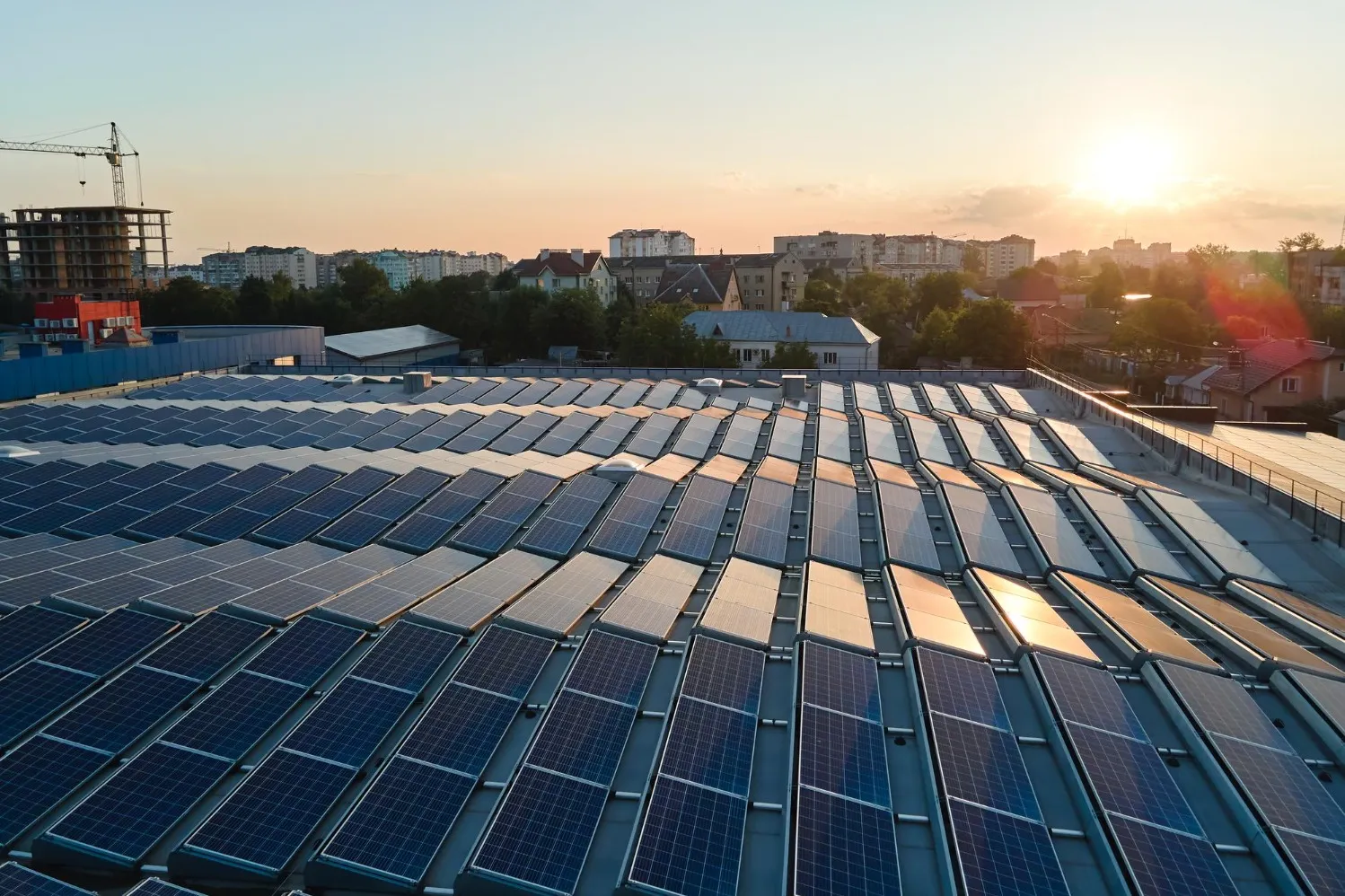
Electricity is one of the largest operational expenses for many businesses. From office complexes and shopping centres to hotels and manufacturing facilities, rising energy costs directly impact profitability. A commercial solar power plant offers businesses an opportunity to generate their own clean electricity while improving long-term operational efficiency.
As renewable energy adoption grows across Nashik and Maharashtra, understanding how commercial solar systems work can help business owners make informed investment decisions.
What Is a Commercial Solar Power Plant?
A commercial solar power plant is a large-scale solar installation designed to meet the electricity needs of commercial properties. Unlike smaller residential systems, commercial installations are engineered to handle higher energy demands while maintaining reliable performance.
These systems typically include:
- High-efficiency solar panels
- Commercial-grade inverters
- Mounting structures
- Monitoring software
- Safety equipment
- Electrical distribution components
Depending on business requirements, the system may be grid-connected, hybrid, or integrated with battery storage.
Which Businesses Can Benefit?
Commercial solar installations are suitable for many industries.
Common users include:
- Office buildings
- Shopping malls
- Hotels
- Hospitals
- Educational institutions
- Warehouses
- Cold storage facilities
- IT parks
- Showrooms
- Commercial complexes
Any business with significant daytime electricity consumption can potentially benefit from solar power.
Key Benefits of Commercial Solar Energy
Businesses choose commercial solar for several practical reasons.
Some important advantages include:
Lower Operating Costs
Generating electricity on-site helps reduce dependence on utility power and lowers monthly energy expenses.
Predictable Energy Costs
Solar energy helps reduce exposure to fluctuating electricity tariffs over the long term.
Better Sustainability
Businesses adopting renewable energy demonstrate environmental responsibility and support cleaner operations.
Productive Roof Utilization
Unused rooftop space becomes a valuable asset by generating electricity throughout the day.
Long-Term Value
Commercial solar systems are designed for durability and can provide reliable performance for many years with proper maintenance.
Factors to Evaluate Before Installation
Selecting the right commercial solar system requires careful planning.
Business owners should consider:
- Current electricity consumption
- Peak load requirements
- Available rooftop or ground space
- Structural strength
- Future expansion plans
- Budget
- Battery backup requirements
- Maintenance planning
Professional energy assessment ensures the installed capacity matches actual business requirements.
Choosing the Right System Capacity
Every commercial property has unique electricity usage patterns. Installing an oversized or undersized system may reduce overall efficiency.
A detailed site survey generally evaluates:
- Monthly electricity bills
- Operating hours
- Seasonal consumption
- Roof orientation
- Shadow analysis
- Electrical infrastructure
This information helps determine the most suitable system configuration.
Why Commercial Solar Is Growing
Nashik has become an important industrial and commercial hub in Maharashtra. With increasing electricity demand across manufacturing units, educational institutions, healthcare facilities, and commercial buildings, businesses are exploring renewable energy to improve operational efficiency and reduce long-term energy costs.
Renewable energy providers such as E-Solution Renewable support commercial clients by designing solar power systems tailored to different industries while considering local climate conditions, site requirements, and future energy needs.
Planning for Long-Term Energy Efficiency
A commercial solar power plant is not simply an equipment purchase—it is a strategic investment in energy management. Businesses that carefully evaluate their energy consumption, choose quality components, and ensure professional installation are better positioned to maximize system performance over its lifetime.
As commercial energy requirements continue to grow across Maharashtra, solar power remains a practical and sustainable solution for organizations seeking greater energy independence and improved operational efficiency.
Keywords


