
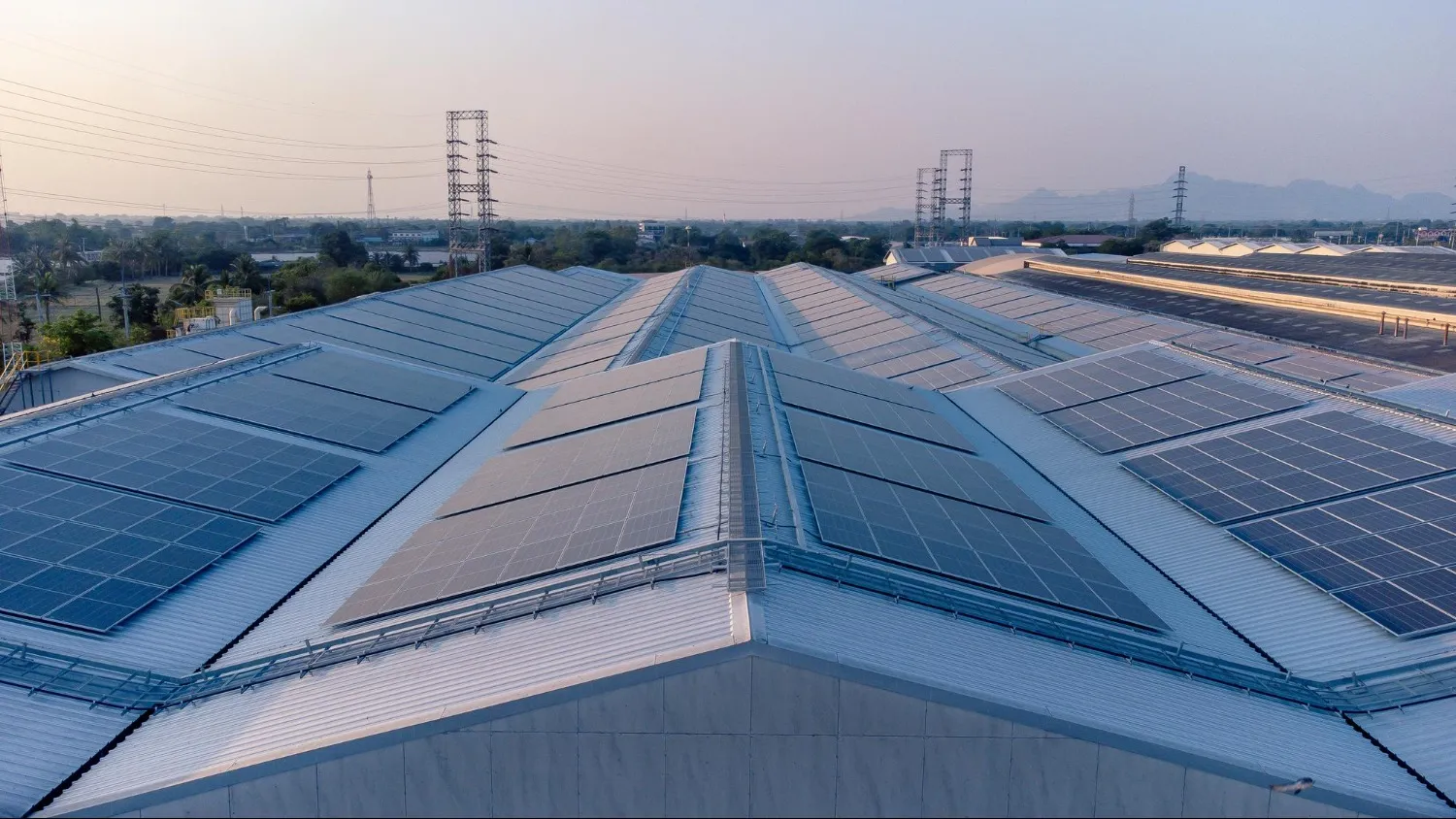
Industrial electricity consumption is often one of the largest recurring operational expenses for manufacturing units and production facilities. With rising power tariffs and growing interest in sustainable energy infrastructure, many industries across Nashik are investing in industrial solar systems to improve long term cost efficiency.
However, not every solar installation delivers the expected performance. In many cases, businesses experience lower energy output, operational inefficiencies, or unexpected maintenance issues because of avoidable planning mistakes made during installation.
Industrial solar projects require technical precision, load analysis, and long term scalability planning. Treating them like standard rooftop residential systems can create expensive complications later.
One of the most common mistakes is improper energy assessment. Many businesses estimate solar capacity based only on electricity bills instead of analyzing real operational load patterns.
Industrial facilities usually have:
- Variable machinery usage
- Peak load fluctuations
- Shift based operations
- Seasonal energy demand changes
Without proper energy analysis, systems may become either undersized or unnecessarily oversized.
Another major issue is ignoring roof structural evaluation. Industrial rooftops often contain equipment, ventilation systems, uneven surfaces, or aging structures. Installing heavy solar panel systems without structural verification can create long term safety concerns.
Businesses should always conduct:
- Structural load assessment
- Shadow analysis
- Electrical infrastructure review
- Future expansion planning
- Safety compliance checks
Poor inverter selection is another frequent problem. Industrial solar systems require advanced power management capabilities because operational loads can vary significantly during working hours.
Some businesses choose low cost inverter systems without considering:
- Load handling capability
- Heat resistance
- Monitoring systems
- Battery integration compatibility
- Long term service availability
As a result, system reliability may suffer over time.
Cable quality and electrical protection are also frequently overlooked. Industrial environments often expose systems to dust, vibration, temperature fluctuations, and heavy operational stress. Inferior electrical components can increase maintenance requirements and reduce system lifespan.
Another mistake is neglecting future scalability. Many manufacturing units expand operations gradually, adding machinery or increasing production capacity. If the solar system is designed only for current loads, future upgrades become more complicated and expensive.
Battery planning also plays an important role. Some industries require uninterrupted operation for sensitive equipment or critical production processes. In such cases, hybrid solar systems with battery backup integration may provide better operational continuity than basic grid connected setups.
Solar energy storage solutions are becoming increasingly important for industries that want:
- Peak load management
- Backup during outages
- Better energy optimization
- Reduced dependence on diesel generators
Maintenance accessibility is another factor businesses sometimes ignore during installation planning. Solar systems require periodic inspections, cleaning, and diagnostics. Poor panel placement or inaccessible wiring layouts can make maintenance difficult and costly later.
Industrial solar buyers should also evaluate vendor experience carefully. Commercial and industrial projects require different expertise compared to residential rooftop installations.
An experienced EPC provider typically evaluates:
- Load distribution
- Transformer compatibility
- Safety compliance
- Grid synchronization
- Energy optimization opportunities
- Return on investment timelines
E-Solution Renewable works with industrial clients in Nashik to design customized solar systems for manufacturing units, warehouses, and commercial facilities. The company focuses on project specific planning rather than generic installation packages.
One important trend in Maharashtra is the growing integration of hybrid solar systems in industrial applications. Businesses are increasingly combining rooftop solar generation with storage systems to improve operational reliability and reduce peak electricity expenses.
Before finalizing any industrial solar project, businesses should ask:
- Is the system scalable?
- What happens during outages?
- How efficient is the inverter system?
- Are maintenance requirements manageable?
- What is the expected generation during seasonal variations?
- Is the installation team experienced in industrial projects?
Industrial solar installation is a long term infrastructure investment. Careful planning at the beginning can significantly improve system performance, operational savings, and reliability over the next several years.
Keywords


