
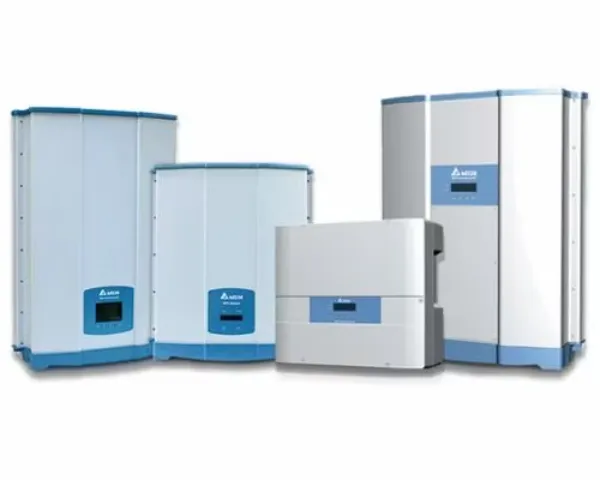
Solar adoption has increased rapidly across Maharashtra, but many users still find inverter selection confusing. While solar panels usually get the most attention, the inverter is actually one of the most important components in any solar setup. It manages how electricity flows between solar panels, batteries, appliances, and the utility grid. Choosing the best hybrid inverter for solar applications can directly affect system efficiency, backup reliability, and long-term savings.
A hybrid solar inverter combines the functions of a traditional inverter and a battery inverter in one unit. It can simultaneously manage solar generation, battery charging, and grid connectivity. This flexibility makes hybrid systems highly popular among homeowners and businesses that want both energy savings and backup support.
In cities like Nashik, where residential and commercial electricity usage continues to rise, hybrid inverters are becoming a preferred solution because they help reduce dependency on utility power while ensuring backup during outages.
One of the first things users should evaluate is load requirement. Every property consumes electricity differently. A household with basic appliances will require a different inverter capacity compared to a commercial office with air conditioning systems, computers, refrigeration equipment, and continuous operational loads.
Generally, hybrid inverter selection should consider:
- Total connected load
- Peak power demand
- Battery compatibility
- Future expansion capability
- Solar panel capacity
- Backup duration expectations
Battery compatibility is particularly important today because many users are shifting toward lithium ion battery systems for better efficiency and longer operational life. Not every inverter supports advanced lithium battery communication protocols, so compatibility checks should be done carefully before purchase.
Another important factor is efficiency rating. High-efficiency hybrid inverters reduce energy losses during conversion. Even small efficiency improvements can result in meaningful savings over several years of operation.
Consumers should also look for:
- Intelligent energy management
- Mobile monitoring support
- Remote diagnostics
- Overload protection
- Temperature management systems
- Fast switching capability during outages
For commercial solar installations, scalability becomes essential. Businesses planning future expansion should avoid undersized inverter systems that may require costly upgrades later.
There is also growing interest in solar battery backup systems among SMEs, educational institutions, and healthcare facilities across Maharashtra. Hybrid inverters allow these properties to continue operating critical equipment even when grid power becomes unstable.
One mistake many buyers make is selecting an inverter based only on price. Lower-cost units may not provide stable performance under fluctuating loads or high-temperature conditions. In regions with extended summer temperatures, thermal performance and build quality become extremely important.
Another area often overlooked is service support. Even high-quality systems occasionally require firmware updates, diagnostics, or technical assistance. Working with an experienced solar solutions provider helps ensure proper commissioning and after-sales support.
E-Solution Renewable works with clients in Nashik to design rooftop and hybrid solar systems based on practical energy usage patterns rather than generic package sizing. The installation team evaluates consumption requirements, available roof space, and future scalability before recommending inverter configurations.
Hybrid systems are also increasingly popular among homeowners planning gradual solar adoption. Some users begin with partial solar generation and later add battery storage as electricity costs rise. A properly selected hybrid inverter makes future integration easier without requiring major redesign.
When comparing options, buyers should ask:
- What appliances will run during backup mode?
- How long should the backup last?
- Is battery expansion possible later?
- Does the inverter support lithium batteries?
- What is the real-world service network availability?
- Can the system handle future solar panel additions?
The right hybrid inverter creates a balance between energy savings, operational stability, and backup performance. As solar adoption grows across Maharashtra, informed inverter selection will continue playing a major role in achieving long-term system efficiency and reliability.
Keywords


