
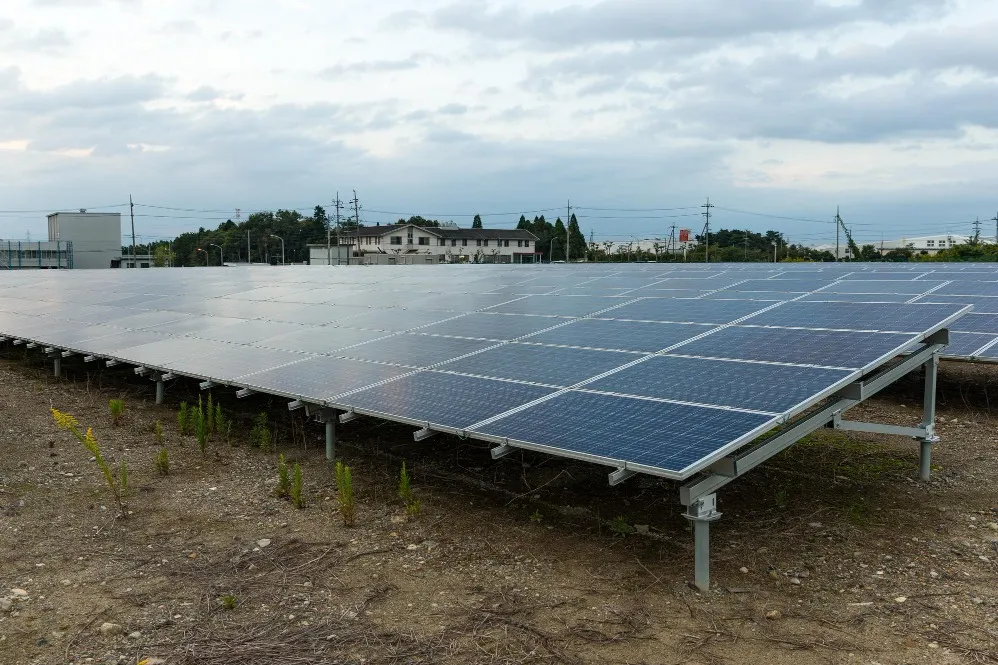
Power cuts may not be as common as they once were, but many homes, farms, and commercial spaces in Nashik still experience voltage fluctuations and unpredictable electricity interruptions. For people who rely heavily on continuous power for daily operations, work-from-home setups, cold storage, security systems, or essential appliances, depending entirely on the grid can become frustrating over time. This is one of the key reasons why interest in off grid solar systems has grown steadily across Maharashtra.
An off grid solar system works independently from the local electricity grid. It generates electricity using solar panels and stores excess energy in batteries for later use. This allows users to continue operating appliances even during outages or in locations where grid connectivity is weak or unavailable.
Unlike standard rooftop systems that stop functioning during a power cut, off grid setups are designed to provide uninterrupted backup. The stored energy inside solar batteries becomes the primary power source once solar production drops or grid supply fails.
For homeowners, one of the biggest advantages is energy independence. Families using refrigerators, water pumps, lights, fans, televisions, and internet devices can continue their routine without disruption. In semi-urban and rural areas surrounding Nashik, this type of system is especially useful for farmhouses, agricultural properties, and standalone residential buildings.
Commercial users also benefit significantly. Small offices, retail stores, clinics, educational institutions, and workshops often face productivity losses during outages. An off-grid solar power system helps reduce operational interruptions while lowering long-term electricity expenses.
Most systems include:
- Solar panels
- Solar inverter
- Battery bank
- Charge controller
- Mounting structure
- Electrical protection components
Battery selection plays a major role in performance. Many users today prefer lithium ion batteries for solar because they require less maintenance, charge faster, and generally offer longer service life compared to traditional battery technologies.
System sizing depends on power consumption patterns. A small home may need a modest setup capable of supporting basic appliances, while industrial or institutional spaces require higher-capacity installations with advanced load management.
One common misconception is that off grid solar systems are suitable only for remote villages. In reality, even urban consumers are adopting them to avoid rising electricity costs and improve backup reliability. Areas with high daytime consumption patterns often recover investment costs faster because solar energy offsets regular utility usage.
Climate conditions in Maharashtra also support efficient solar generation for most parts of the year. Nashik receives substantial sunlight, making rooftop solar installations practical for residential as well as commercial applications.
Before installation, users should evaluate a few important factors:
- Daily electricity consumption
- Backup duration required
- Battery storage capacity
- Roof space availability
- Future power expansion plans
- Quality of inverter and battery systems
Choosing the right solar inverter is equally important. The inverter controls power conversion and determines how efficiently appliances operate. Modern hybrid and off grid inverters can intelligently manage battery charging, solar usage, and load distribution.
E-Solution Renewable, a solar energy provider working in Nashik, offers customized solar power system installations designed for different property types and energy requirements. The company works with residential, commercial, and industrial clients looking for long-term power reliability and energy savings.
Many first-time buyers focus only on panel pricing, but installation quality and technical planning matter just as much. Incorrect battery sizing, poor wiring practices, and mismatched inverter selection can affect system efficiency over time.
An ideal off grid solar setup should balance:
- Energy production
- Storage capacity
- Appliance load
- Future scalability
As electricity tariffs continue rising, more consumers are looking at solar not just as an alternative source of energy, but as a practical long-term infrastructure investment. For people seeking stable power without depending entirely on the grid, an off grid solar system offers both operational reliability and better control over energy usage.
Keywords


