
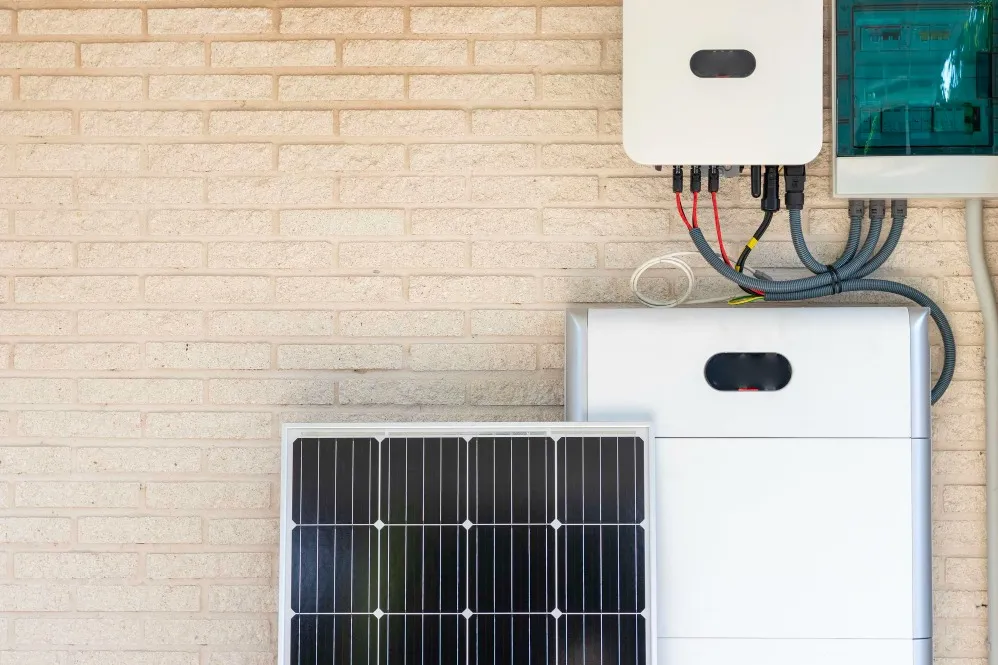
Electricity usage inside modern homes has changed significantly over the last few years. Air conditioners, refrigerators, water purifiers, smart televisions, laptops, Wi Fi routers, washing machines, and kitchen appliances now operate for longer hours than before. As monthly electricity bills continue increasing across Nashik, many homeowners are exploring rooftop solar systems to reduce long term power expenses. One of the most important decisions in this process is choosing the right solar inverter for home use.
A solar inverter acts as the central operating unit of a solar power system. Solar panels generate direct current electricity, but household appliances run on alternating current. The inverter converts solar energy into usable electricity while also managing system performance and safety.
Homeowners often focus heavily on solar panel wattage while overlooking inverter quality. However, even a high quality solar panel system can underperform if the inverter is not properly selected.
There are mainly three types of solar inverters commonly used in residential installations:
- On grid solar inverter
- Off grid solar inverter
- Hybrid solar inverter
An on grid inverter works with utility electricity and is suitable for homes that want to reduce electricity bills without battery backup. Off grid systems are designed for complete energy independence and use battery storage extensively. Hybrid systems combine both approaches and allow homeowners to use solar energy, batteries, and grid supply together.
Hybrid systems are becoming increasingly popular in Maharashtra because they offer flexibility during power outages while still supporting regular electricity savings.
Before selecting an inverter, homeowners should evaluate their daily electricity usage. A small family using basic appliances will require a different setup compared to a large household operating multiple air conditioners, pumps, and heavy electrical loads.
Important factors to consider include:
- Total electricity consumption
- Number of backup appliances required
- Roof space availability
- Future increase in electricity demand
- Battery compatibility
- System monitoring features
Battery integration is another important consideration. Many households now prefer lithium ion battery systems because they occupy less space and require lower maintenance than conventional batteries.
Another important aspect is inverter efficiency. High efficiency systems reduce energy losses during conversion and improve overall system output. Over time, even small efficiency improvements can influence electricity savings substantially.
Weather conditions also matter. Solar systems installed in Nashik and nearby regions must handle heat, dust, and seasonal weather variations effectively. Inverters with proper cooling systems and durable construction generally perform more reliably over long operational periods.
Modern solar inverters also offer smart monitoring features. Homeowners can track:
- Daily solar generation
- Battery charging status
- Grid consumption
- Backup performance
- Power savings trends
This helps users understand how efficiently the system is functioning.
One common mistake people make is purchasing oversized or undersized inverter systems without professional load analysis. Incorrect sizing can create operational inefficiencies and limit future expansion possibilities.
Another challenge is selecting systems purely based on low pricing. While budget considerations are important, installation quality, safety protection, wiring standards, and service support should also be evaluated carefully.
E-Solution Renewable provides residential solar system installation services in Nashik with customized inverter recommendations based on household consumption patterns and backup requirements. The technical team evaluates energy usage and suggests suitable configurations instead of using one-size-fits-all solutions.
Government solar subsidy programs have also encouraged more residential rooftop solar adoption across Maharashtra. However, homeowners should understand that system quality and proper engineering matter far more than short term pricing differences.
A properly selected solar inverter can improve:
- Energy savings
- Appliance safety
- Backup reliability
- Long term operational efficiency
- Future scalability
As solar adoption continues growing among urban homeowners, choosing the right inverter has become an important step toward building a stable and cost effective home energy system.
Keywords


