


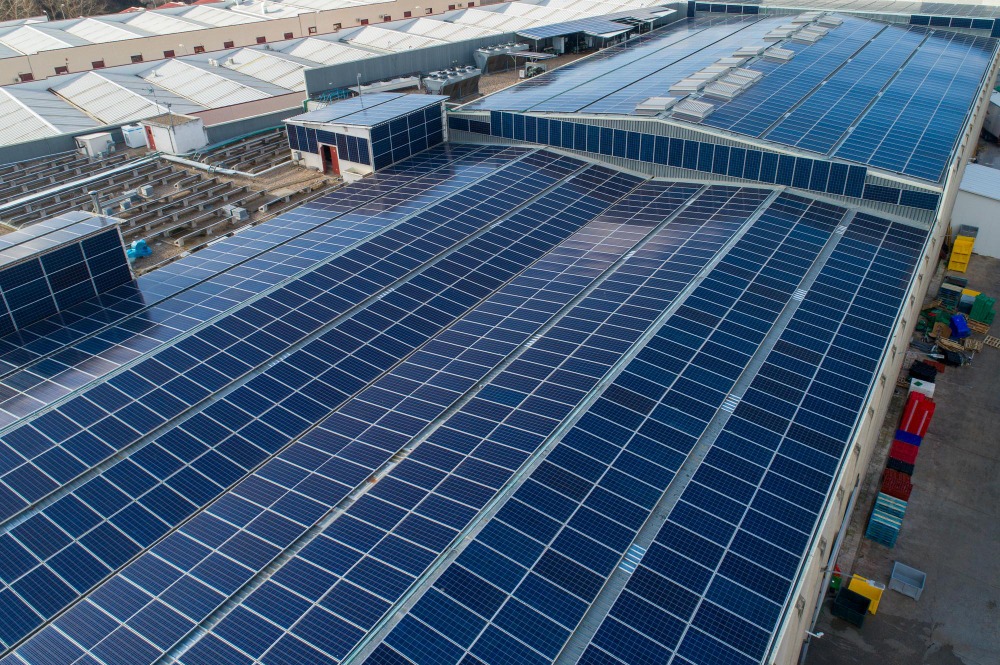
Commercial electricity consumption has increased steadily across offices, retail spaces, educational institutions, hospitality properties, and corporate buildings in Nashik. Rising utility bills have encouraged many businesses to explore rooftop solar installations as a long term operational cost management strategy. However, before investing in a solar rooftop power plant, commercial property owners should understand how system planning, energy usage, and infrastructure conditions influence actual performance.
Commercial solar systems differ significantly from residential rooftop installations. Business operations often involve:
- Higher daytime electricity demand
- Continuous equipment usage
- Air conditioning loads
- Lift operations
- Lighting infrastructure
- Server rooms and IT systems
Because of this, system design requires more detailed analysis and technical planning.
One of the first factors businesses should evaluate is their electricity consumption pattern. Commercial solar systems perform best when daytime power usage aligns closely with solar generation hours. Buildings with strong daytime operational loads can often maximize direct solar energy utilization and reduce dependency on utility electricity.
Roof condition is equally important. Before installation, structural evaluation should be conducted to assess:
- Roof strength
- Shadow free area availability
- Future maintenance access
- Drainage conditions
- Existing rooftop equipment placement
Commercial buildings often contain water tanks, ventilation systems, communication equipment, or HVAC infrastructure that can affect solar panel placement.
Another important consideration is inverter selection. Commercial rooftop systems require efficient power conversion and stable operational performance. High quality solar inverters help improve energy efficiency while supporting long term system reliability.
Businesses should also evaluate future scalability. Some companies begin with partial rooftop solar adoption and expand capacity later as electricity costs rise or operational requirements increase.
Battery integration is becoming increasingly popular as well. Hybrid solar systems with battery backup support allow businesses to maintain critical operations during outages while improving energy management flexibility.
Commercial users today are also showing greater interest in solar energy storage solutions because they help:
- Reduce peak hour electricity dependency
- Improve backup reliability
- Optimize energy consumption
- Support operational continuity
Government solar policies and subsidy programs have further encouraged rooftop adoption in Maharashtra. However, businesses should focus on technical quality and long term operational efficiency rather than selecting systems solely based on initial pricing.
One mistake commercial buyers sometimes make is choosing installation providers without evaluating technical expertise. Commercial projects require:
- Load analysis
- Safety compliance
- Grid synchronization planning
- Electrical infrastructure compatibility
- Professional installation practices
An experienced EPC service provider generally evaluates all these aspects before finalizing project recommendations.
E-Solution Renewable works with commercial property owners in Nashik to design rooftop solar systems for offices, institutions, retail spaces, and industrial facilities. The installation team evaluates energy usage patterns and site conditions before recommending suitable system capacities.
Monitoring and maintenance also play a major role in long term performance. Modern commercial solar systems often include digital monitoring tools that help businesses track:
- Daily energy generation
- System efficiency
- Consumption trends
- Power savings
- Operational performance
These insights help property owners identify performance issues early and maintain optimal efficiency.
Before installing a commercial rooftop solar power plant, businesses should ask:
- What is the expected return on investment?
- Can the system support future expansion?
- How much daytime load will solar offset?
- Is battery backup required?
- What are the long term maintenance requirements?
Commercial rooftop solar systems are increasingly becoming part of strategic energy planning rather than optional infrastructure upgrades. For businesses looking to improve operational efficiency and reduce long term electricity expenses, solar energy continues offering practical and scalable solutions.


