
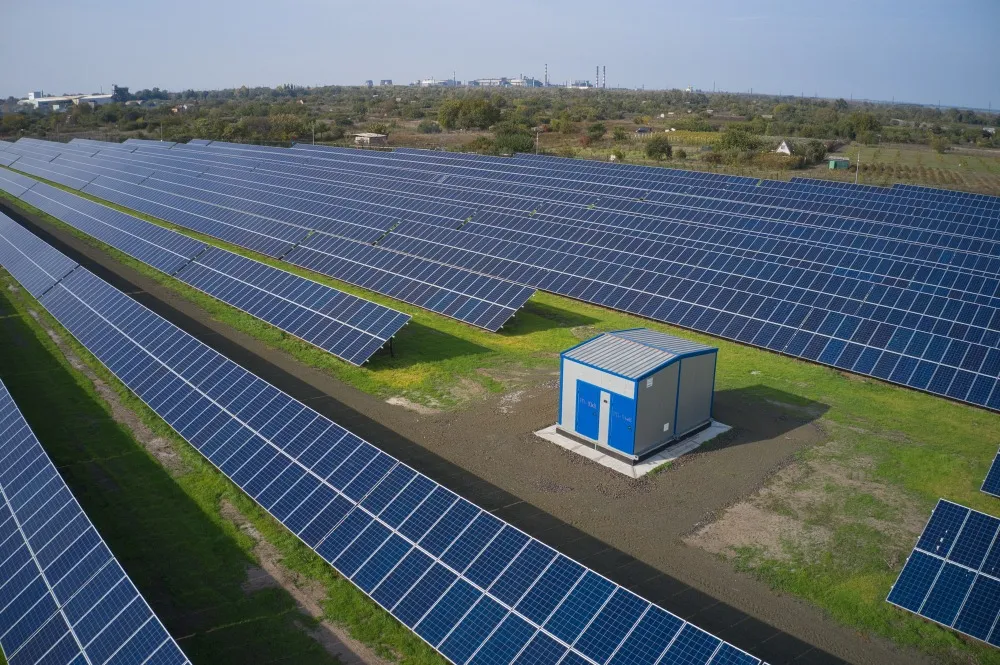
Electricity consumption patterns are changing rapidly across commercial and industrial sectors. Businesses today rely heavily on uninterrupted power for machinery, servers, lighting, security systems, refrigeration, communication infrastructure, and production operations. As energy costs continue rising, many companies in Nashik are now exploring solar energy storage solutions to improve operational efficiency and reduce dependency on conventional electricity sources.
Solar power generation alone can significantly lower daytime electricity bills, but storage systems add another level of flexibility. They allow businesses to store unused solar energy and use it later when sunlight is unavailable or grid power becomes expensive or unreliable.
This is particularly useful for:
- Manufacturing facilities
- Warehouses
- Schools and colleges
- Hospitals and clinics
- Hotels and hospitality spaces
- Commercial office buildings
- Retail operations
One of the biggest advantages of solar energy storage is load balancing. Many businesses experience high electricity demand during evening hours when solar generation naturally drops. Without storage, companies still depend heavily on grid electricity during these periods.
Battery storage systems solve this issue by storing excess daytime solar production for later consumption.
Modern storage setups typically include:
- Solar panels
- Hybrid inverter systems
- Battery banks
- Smart monitoring software
- Energy management controls
Lithium ion battery technology has transformed commercial solar adoption in recent years. Compared to older battery systems, lithium batteries generally offer:
- Faster charging
- Higher energy density
- Longer operational lifespan
- Reduced maintenance
- Better discharge efficiency
- Compact installation footprint
These advantages are important for businesses operating in space-constrained commercial properties or industrial facilities where uninterrupted performance matters.
Another important reason businesses are adopting storage systems is protection against electricity tariff fluctuations. Commercial power tariffs in Maharashtra can significantly affect operational costs, especially for energy-intensive industries. Solar battery backup systems help businesses reduce peak-hour grid dependency and manage long-term energy expenses more effectively.
In industrial zones around Nashik, some companies are also using solar energy storage as part of sustainability initiatives. Many organizations today actively monitor carbon reduction targets and energy efficiency metrics. Integrating solar storage into existing infrastructure helps support environmental responsibility while improving operational resilience.
However, successful implementation requires proper planning. Storage systems should not be installed using generic sizing assumptions. Energy consumption patterns differ widely between industries.
For example:
- A hospital may prioritize uninterrupted backup
- A manufacturing unit may prioritize load shifting
- An office building may focus on daytime energy optimization
- An educational campus may require seasonal usage adjustments
This is why energy audits and consumption analysis are important before system design begins.
E-Solution Renewable provides customized solar power and storage solutions for residential, commercial, and industrial clients in Nashik. The company evaluates factors such as load demand, backup requirements, roof capacity, operational schedules, and future scalability before recommending suitable system configurations.
One emerging trend is hybrid solar integration. Businesses are increasingly choosing hybrid solar inverter systems that combine grid connectivity, solar generation, and battery storage into a unified energy management solution.
This approach provides several operational advantages:
- Better energy optimization
- Reduced grid dependency
- Backup support during outages
- Improved solar utilization
- Lower long-term operational costs
Businesses should also pay attention to maintenance and monitoring capabilities. Modern systems often include remote performance tracking tools that help identify inefficiencies, battery health conditions, and energy usage patterns in real time.
Before investing in solar energy storage, companies should ask:
- What is the average monthly power consumption?
- Which operations are critical during outages?
- How much backup time is required?
- Are future load expansions expected?
- Is the existing electrical infrastructure compatible?
Solar energy storage is no longer viewed only as an optional upgrade. For many businesses in Maharashtra, it is becoming an important part of long-term energy planning. As electricity demand continues increasing and operational continuity becomes more critical, storage-enabled solar systems are helping organizations build more stable, cost-efficient, and sustainable energy infrastructure.
Keywords


